Emergency Dentist Tips for Parents Facing a Child’s Dental Emergency

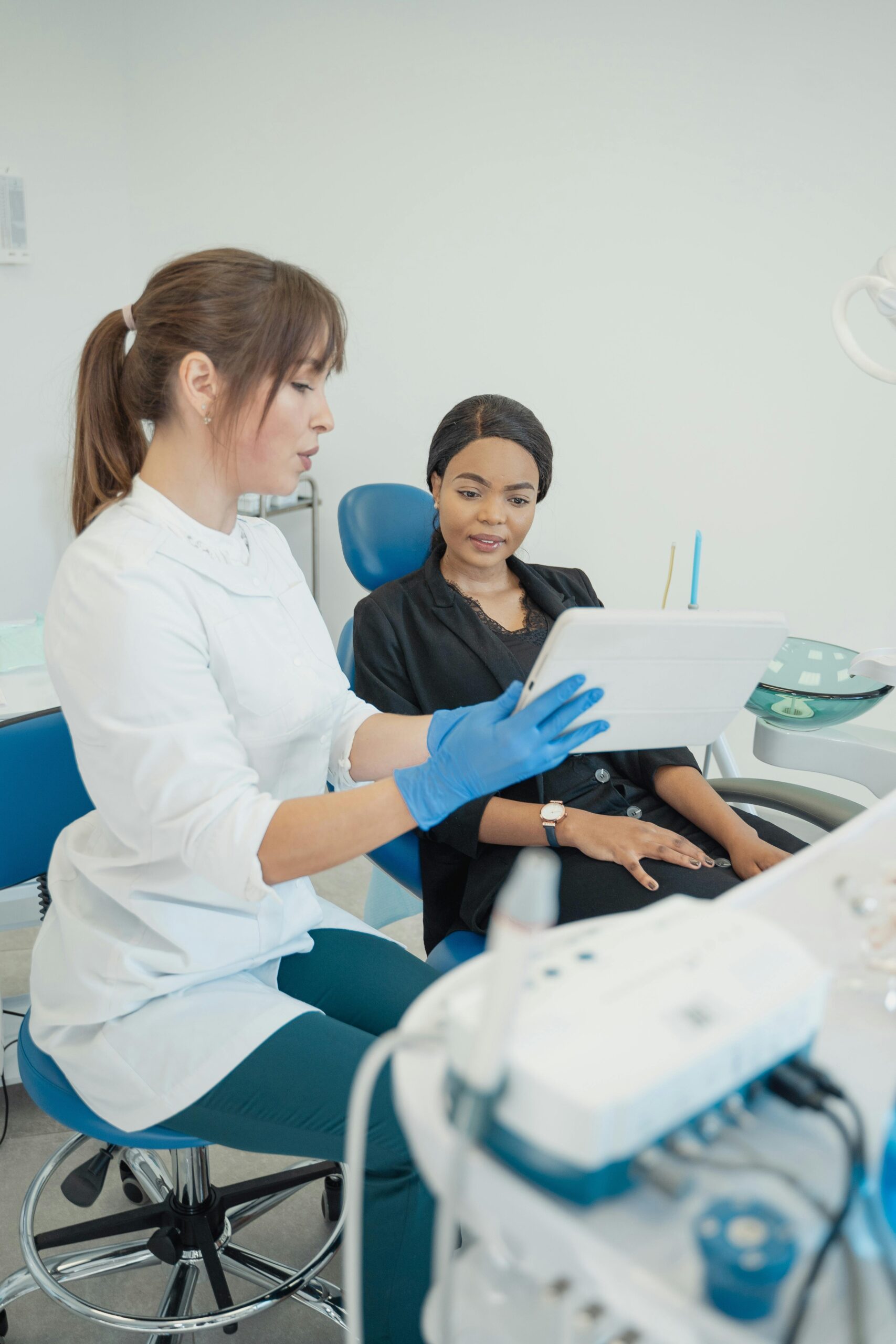
A child’s dental emergency has a way of turning an ordinary day upside down. One minute your child is chasing a ball, chewing on a snack, or bouncing on the couch after you told them not to, and the next you are staring at blood, tears, swelling, or a broken tooth. In that moment, parents usually want https://andredgxj170.lucialpiazzale.com/how-an-emergency-dentist-treats-a-dislodged-or-shifted-tooth the same thing: clear steps, fast relief, and confidence that they are not about to make the problem worse.
The good news is that many dental emergencies become far more manageable when a parent knows what matters in the first few minutes. Timing matters. So does staying calm, even if you have to fake it. Children read our faces before they listen to our words. If you can lower the panic level in the room, you improve your chances of getting a better history from your child, controlling pain sooner, and making good decisions about whether to call an Emergency Dentist, head to urgent care, or go straight to the emergency room.
Not every chipped tooth needs a midnight visit. Not every mouth injury can wait until Monday. The challenge is telling the difference.
The first question to ask: is this a dental emergency or a medical emergency?
Parents often focus on the tooth because that is the obvious injury. The more important question is whether the child is medically stable. A hard blow to the mouth can come with a lip laceration, a head injury, jaw trauma, or breathing risk. If your child lost consciousness, vomited after the injury, seems unusually sleepy, has trouble breathing, has heavy bleeding that will not stop, or you suspect a broken jaw, call emergency services or go to the emergency room right away.
A true dental problem becomes secondary if the child has symptoms of concussion, uncontrolled bleeding, or facial trauma that affects the airway. I have seen parents carry a knocked out tooth in one hand while the child clearly needed evaluation for a much bigger injury. Teeth matter, but breathing, bleeding, and brain symptoms come first.
If the injury seems isolated to the mouth, that is when an Emergency Dentist becomes the right next call.
Why speed matters more than most parents realize
Dental tissue does not wait politely for office hours. A tooth that is pushed out of place, completely knocked out, or fractured deeply has a better chance of successful treatment when it is evaluated quickly. Soft tissue injuries inside the mouth also swell fast, which can make an exam more difficult a few hours later than it would have been right away.
That does not mean every issue needs a frantic rush. It means parents should resist the urge to “watch it overnight” when there is significant pain, visible displacement, ongoing bleeding, or trauma involving a permanent tooth. Children often underreport pain when they are scared, and they may not have the language to describe whether the tooth feels loose, numb, high when they bite, or sensitive to air. Those details can help a dentist judge the severity of the injury.
One practical point many parents miss: baby teeth and permanent teeth are handled differently. That matters a lot during trauma.
If a tooth gets knocked out, the response depends on whether it is a baby tooth or a permanent tooth
This is one of the most important distinctions in pediatric dental emergencies. A knocked out permanent tooth is time sensitive. A knocked out baby tooth usually is not reinserted, because placing it back can damage the developing adult tooth underneath.
That means your first step is figuring out what kind of tooth it is. Children typically begin losing baby teeth around age 6, but there is a wide range. Front permanent teeth often come in around ages 6 to 8. If your 4 year old loses a front tooth from a fall, it is almost certainly a baby tooth. If your 9 year old knocks out an upper front tooth, it is very likely permanent.
When a permanent tooth is completely out, handle it only by the crown, which is the part you normally see in the mouth. Do not scrub the root. If it is dirty, rinse it gently with milk or saline for a few seconds. If you can place it back into the socket easily and your child is cooperative, that can improve the outcome. If not, store it in milk or in a tooth preservation solution if you happen to have one. Then call an Emergency Dentist immediately.
Here is the short version parents should remember:
- Check whether the tooth is baby or permanent.
- For a permanent tooth, hold it by the crown, not the root.
- Rinse gently if dirty, but do not scrub or scrape it.
- Place it back in the socket if you can do so safely, or keep it in milk.
- Contact an Emergency Dentist right away.
Those five steps sound simple on paper. In real life, a crying child may clamp their mouth shut, blood may obscure the socket, and the parent may not be certain which tooth is which. That is normal. The goal is not perfection. The goal is to avoid damaging the root surface and to get professional help fast.
Broken, chipped, or cracked teeth are not all the same problem
Parents often use the word “broken” for every dental injury, but the treatment urgency depends on what is actually damaged. A tiny chip at the edge of a front tooth may be mostly cosmetic. A larger fracture that exposes yellow dentin or pink tissue is much more serious. A crack in a back tooth may be barely visible but painful when the child bites. A tooth can also be bruised without an obvious break at all.
If a piece breaks off, save it if you can. Occasionally, a dentist may be able to use the fragment, especially when the fracture is fresh and clean. Rinse your child’s mouth gently with water and use a cold compress on the outside of the face to control swelling. If there is bleeding from the gums or lips, apply gentle pressure with clean gauze.
What tends to signal a more urgent issue? Significant pain, sensitivity to cold air, pain with biting, a jagged edge cutting the tongue or lip, or a tooth that looks shorter, longer, or shifted compared with its neighbors. Parents should also look at the color of the tooth over the next several days. A darkening tooth after trauma does not always mean immediate infection, but it does need evaluation.
Toothaches that wake a child up should not be brushed off
Not every dental emergency starts with an injury. Some begin with a toothache that ramps up over a few hours and suddenly becomes impossible to ignore. If a child wakes at night with throbbing dental pain, develops swelling in the face or gum, or has pain with fever, that can point to an infection that needs prompt care.
A simple cavity can simmer quietly for months and then flare dramatically once the nerve inside the tooth is inflamed or infected. Younger children are especially vulnerable because they may not mention discomfort until they are truly miserable. Sometimes the first clue is not “my tooth hurts” but refusal to eat, crying during brushing, favoring one side while chewing, or a swollen cheek in the morning.
There is a common misconception that infections in baby teeth are less important because the teeth will “fall out anyway.” That is a mistake. Untreated infection in a baby tooth can cause significant pain, spread into surrounding tissue, affect eating and sleep, and in some cases interfere with the developing permanent tooth.
What parents can do at home while waiting to be seen
Home care has one purpose in an emergency: keep the child safe and comfortable until professional treatment begins. It is not a substitute for evaluation when there is obvious trauma, swelling, or uncontrolled pain.
A cold compress applied to the outside of the cheek can reduce swelling and help with pain. Over the counter pain medicine may help, but it should be age appropriate and dosed according to the label or your pediatrician’s guidance. Never place aspirin directly on the gum or tooth. Parents still do this surprisingly often, and it can burn the tissue.
For food, stick with soft, cool options if your child is willing to eat at all. Yogurt, applesauce, smoothies eaten carefully, scrambled eggs, or mashed potatoes are easier on an injured mouth than crunchy snacks, citrus, or very hot foods. If a tooth feels loose or painful, try to keep your child from wiggling it with fingers or tongue, which is much harder than it sounds.
Here are the situations where home care is reasonable only as a bridge, not the main plan:
- A chipped tooth with tenderness
- A toothache that persists beyond a brief spell
- Mild gum swelling or facial puffiness
- A cut inside the mouth that has stopped bleeding but looks deep
- A loose or displaced tooth after trauma
The point is not that each of these demands a 2 a.m. Visit. It is that each deserves a call, guidance, and usually an exam within a timeframe set by a dental professional.
The mouth bleeds a lot, and that can make injuries look worse than they are
This is one of the few reassuring facts parents can hang onto. The lips, gums, and tongue have a rich blood supply. Even a small cut can look dramatic. A pillowcase dotted with blood after a loose-tooth bump feels alarming, but the total blood loss is often much less than it appears.
Steady pressure is usually more effective than repeated checking. Fold a clean piece of gauze or cloth, place it over the area, and have the child bite gently if possible. If the wound is on the lip, hold pressure from the outside. Ten minutes can feel long when your child is crying, but peeking every 20 seconds tends to restart the process. If bleeding remains heavy after sustained pressure, or if the cut is large and gaping, that moves it out of routine dental territory and into urgent medical evaluation.
Tongue injuries deserve special respect. Many are minor and heal well, but a deep tongue laceration can bleed significantly and may need emergency assessment.
Swelling is the sign parents should take seriously
Pain gets attention, but swelling is often the more important clue. Facial swelling, gum swelling that seems to be expanding, or a child who looks puffy around one eye or one side of the jaw should be assessed promptly. Infections in the mouth can spread into facial spaces, and young children can deteriorate faster than adults expect.
If swelling is accompanied by fever, difficulty opening the mouth, trouble swallowing, or lethargy, do not wait for a routine appointment. Those are escalation signs. An Emergency Dentist may be able to guide the next step, but some children need hospital based care, especially if the swelling is affecting the airway or causing systemic symptoms.
Parents also sometimes confuse normal post-injury swelling with infection. Early swelling after a fall may be inflammatory rather than infectious. Even so, a dentist still needs to determine whether there is a tooth injury underneath the bruising.
What to say when you call an Emergency Dentist
The quality of the phone call can speed up care. The front desk or on call provider is trying to decide how urgently your child needs to be seen and what type of setup is required. Saying “my child hurt their tooth” is a start, but not enough.
A more useful report sounds like this: your child’s age, how the injury happened, when it happened, whether the tooth is baby or permanent if known, whether the tooth is loose, chipped, missing, or pushed out of position, whether there is swelling or ongoing bleeding, and whether your child can close their mouth normally. If the problem is pain rather than trauma, describe when it started, whether there is facial swelling, fever, or pain with eating.
Photos can help, but they do not replace a hands-on exam. Also, do not spend twenty minutes trying to take the perfect intraoral picture while the tooth sits dry on the counter. Handle the urgent part first.
A few mistakes parents make under stress
Most mistakes come from good intentions. Parents want to clean the area thoroughly, stop every tear immediately, or avoid “bothering” the dentist after hours. The better approach is gentle and efficient.
One frequent mistake is assuming a child will tell you if a tooth is loose or if their bite feels off. Many children simply do not know how to describe that sensation. Another is delaying care because the child “seems fine now.” Adrenaline can hide pain for a while. Some injuries become more obvious only once swelling develops or biting pressure returns at dinner.
A third common error is reimplanting a baby tooth because a parent has heard that a knocked out tooth should go back in quickly. That advice applies to permanent teeth, not primary teeth. When parents are unsure, preserving the tooth in milk and calling an Emergency Dentist is safer than guessing.
What follow-up may look like, even after the crisis passes
Many families expect a single visit to settle the issue. Sometimes that happens, especially with minor chips or soft tissue injuries. Often, though, dental trauma needs follow-up over weeks or months. A tooth that looks stable on day one may later show nerve damage, discoloration, sensitivity, or root changes visible only on X-rays.
That is particularly true in children because developing teeth behave differently from mature adult teeth. A pediatric dentist or general dentist experienced with children may want periodic checks to monitor healing, eruption, and bite changes. Parents should not interpret that as bad news. It is careful medicine.
Trauma can also affect a child emotionally. Some children become fearful of brushing near the injured area or anxious about returning to sports or playground activities. Calm reassurance helps, but concrete changes help more. A softer toothbrush for a few days, a return to normal brushing as soon as tolerated, and a sports mouthguard for future activities can restore confidence.
Preventing the next emergency without wrapping your child in bubble wrap
Children fall. They collide. They test gravity and furniture with equal enthusiasm. No parent can prevent every dental injury, but a few realistic habits do make a difference.
Well fitted mouthguards reduce sports related dental trauma substantially, especially in contact sports and activities with high fall risk such as basketball, skateboarding, martial arts, and biking. Trimming food into manageable pieces matters more for toddlers than many parents expect. So does resisting the temptation to let children run while eating or drinking from hard spouted containers.
Regular dental visits also reduce emergencies, though not in the dramatic way trauma prevention does. Dentists often catch weak enamel, untreated decay, loose restorations, grinding patterns, and bite issues before they turn into painful after-hours calls. A child with a known deep cavity who suddenly has swelling on a Saturday is not having bad luck. The emergency usually began quietly much earlier.
When your instincts matter
Parents are sometimes hesitant to call because they do not want to overreact. That is understandable, but if something looks clearly wrong in your child’s mouth, it probably deserves professional advice. You do not need perfect terminology. You need to communicate what changed, how fast it changed, and how your child is acting.
Trust your instincts if your child cannot settle, refuses all food or drink because of mouth pain, has a face that looks asymmetrical from swelling, or had a significant blow to the mouth even if the teeth appear intact. Some of the most important dental injuries are not visible without imaging or an experienced exam. A tooth root can fracture beneath the gumline. A developing permanent tooth can be affected after trauma to a baby tooth. The bite can shift even when no obvious chip is seen.
The best parents in these situations are not the ones who know every textbook answer. They are the ones who stay observant, protect the injured area, and seek help without delay when the signs point to trouble.
A child’s dental emergency is never convenient. It is often messy, emotional, and hard to judge in real time. But a calm first response, a clear understanding of the baby tooth versus permanent tooth distinction, and a prompt call to an Emergency Dentist can change the course of the injury. Those first few decisions carry real weight. When parents know what to do, the chaos shrinks, and the child in front of them gets what they need most: steady care, timely treatment, and a safer path back to normal.
Smyle Dental Newhall
23754 Newhall Ave
Santa Clarita, CA 91321, United States
+16612559200
FAQ About Emergency Dentist
Will the ER do anything for dental pain?
An emergency department can assess serious complications and provide temporary care, but it usually cannot provide definitive dental treatment such as a filling or root canal. A dentist needs to identify and treat the cause. Call 911 or seek emergency medical care for difficulty breathing or swallowing, major facial injury, or uncontrolled bleeding.
What qualifies as a dental emergency?
A knocked-out permanent tooth, severe or persistent dental pain, swelling, and a broken tooth with pain need prompt professional assessment. Contact a dentist immediately for guidance on how urgently to be seen. Rapidly spreading swelling or swelling that affects breathing or swallowing requires emergency medical care.
What to do if I have a dental emergency in the middle of the night?
Call your dentist's office for after-hours instructions. Smyle Dental Newhall can be reached at (661) 255-9200; confirm when treatment is available. Do not wait for the office to open if you have trouble breathing or swallowing, uncontrolled bleeding, or a major facial injury. For a toothache while arranging dental care, gently rinse with warm water and avoid putting aspirin directly on the tooth or gums.